Ten evenings so far. Each one keeps the documented history apart from the legend that came after it. Watch the channel.
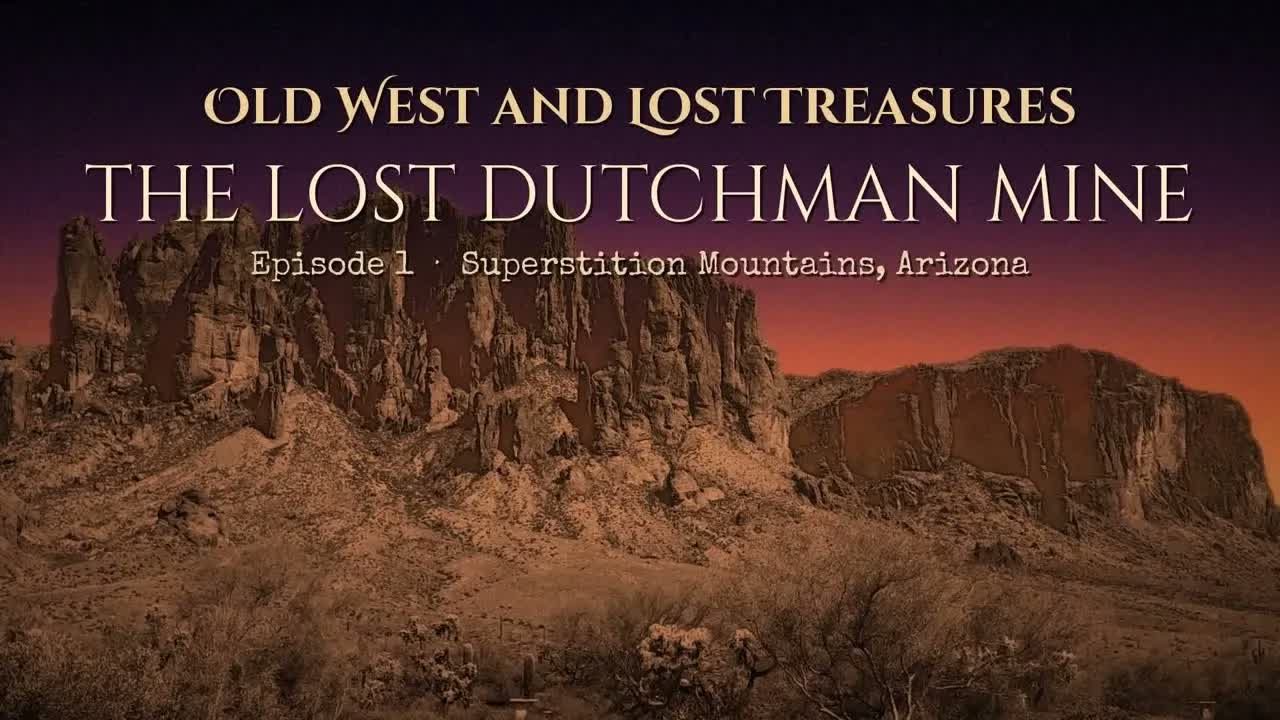
Episode 1 · Arizona
The Lost Dutchman Mine
East of Phoenix, the Superstition Mountains hide one of the most famous lost-mine legends in the American West. This story keeps the documented record — Jacob Waltz, Julia Thomas, the 1891 flood, the 1895 newspaper story, and the 1931 disappearance of Adolph Ruth — apart from the legend that grew up around them.
Watch episode 1

Episode 2 · California
Peg Leg Smith's Lost Gold
Thomas L. Smith, the mountain man called Peg Leg, left a real trail from Kentucky to the California desert. The black-rock hill of gold that searchers still hunt is the legend. Nobody has proved that hill. California Historical Landmark 750 marks the story in Anza-Borrego.
Watch episode 2
Episode 3 · Arizona
The Wham Paymaster Robbery
On May 11, 1889, an Army payroll of more than twenty-eight thousand dollars in gold and silver left Fort Grant for Fort Thomas and never arrived. Sergeant Benjamin Brown and Corporal Isaiah Mays received the Medal of Honor. Seven men were tried and acquitted. The coin was never recovered, and the stories about where it was hidden have not been proved.
Watch episode 3
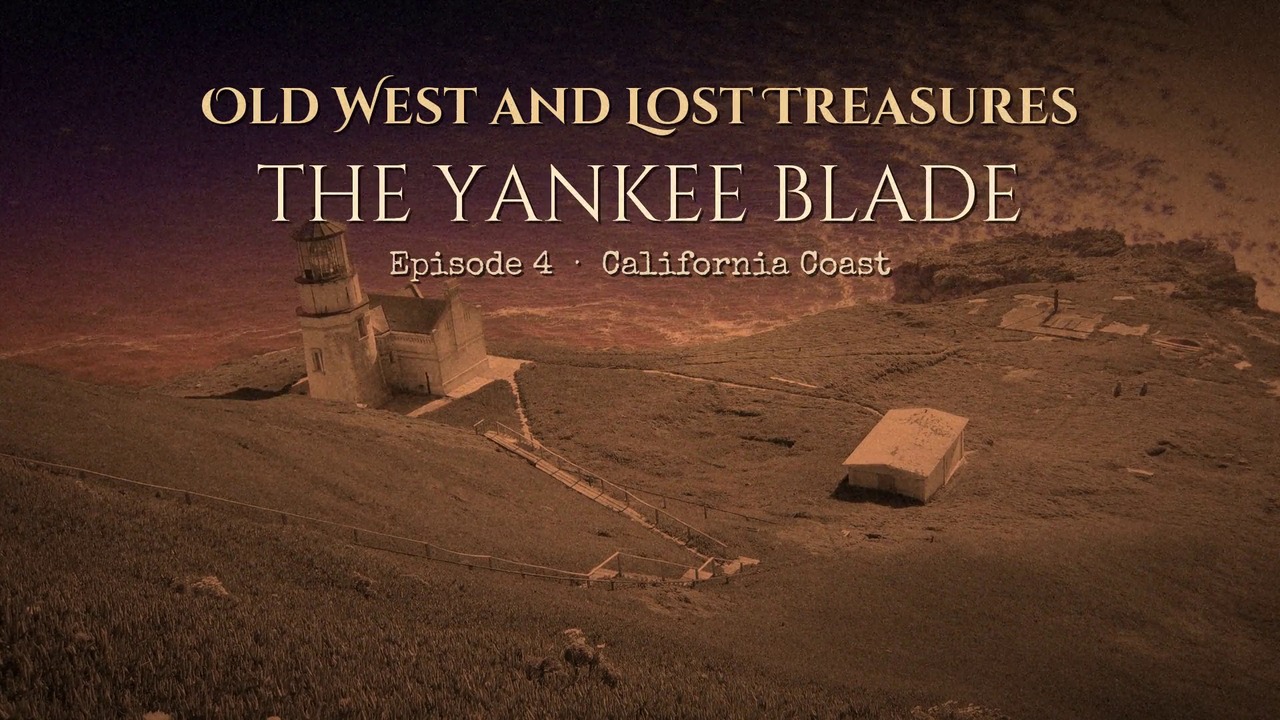
Episode 4 · California Coast
The Yankee Blade
On the afternoon of September 30, 1854, the sidewheel steamer Yankee Blade left San Francisco for Panama with more than eight hundred passengers and a gold shipment the accounts put above a hundred and fifty thousand dollars. The next day, in dense fog, she struck the rocks at Point Arguello, near Point Conception. Captain Henry Randall, the tug Goliah, and the people put ashore are in the record. A deliberate wreck and a map to the coin are the legend.
Watch episode 4
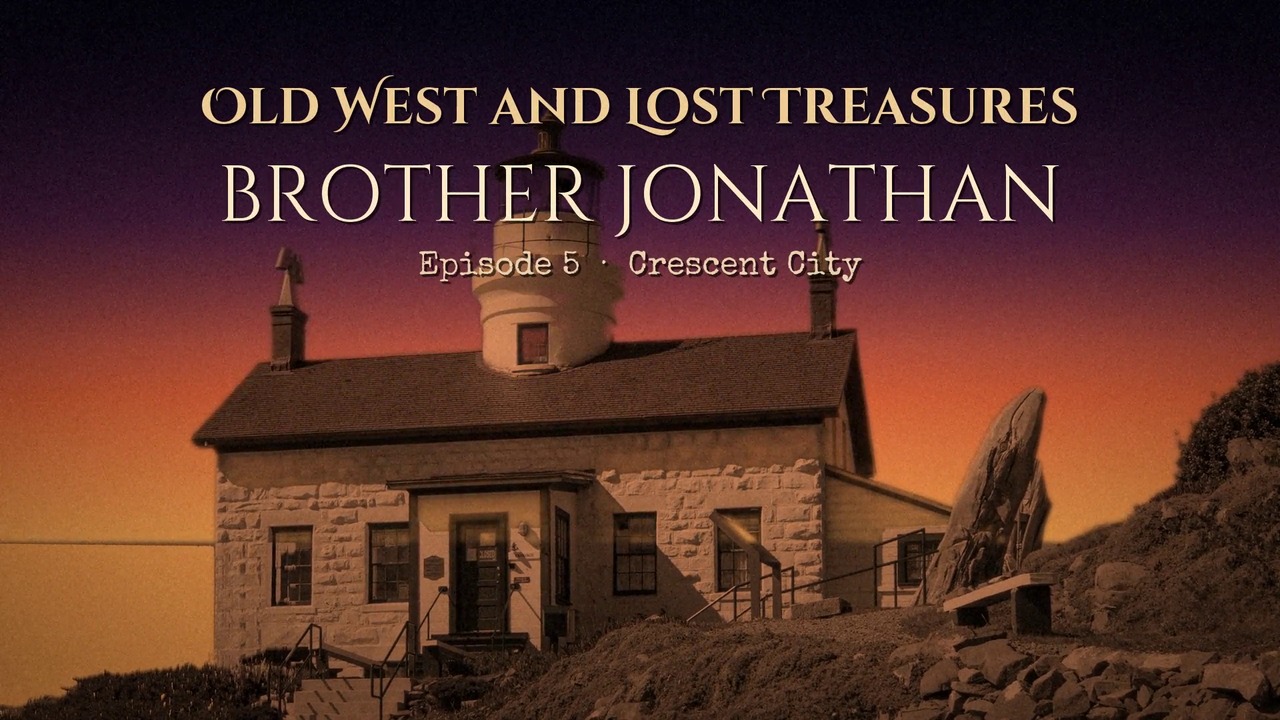
Episode 5 · Crescent City
Brother Jonathan
On July 30, 1865, the sidewheel steamer Brother Jonathan was bound from San Francisco toward Portland when a gale kept her from making headway around Point Saint George. The captain turned back for Crescent City. She struck a rock on Saint George Reef and sank in less than an hour. Nineteen people survived in one boat. More than two hundred died. An Army payroll paid in gold coin was aboard. The treasure stories came later.
Watch episode 5
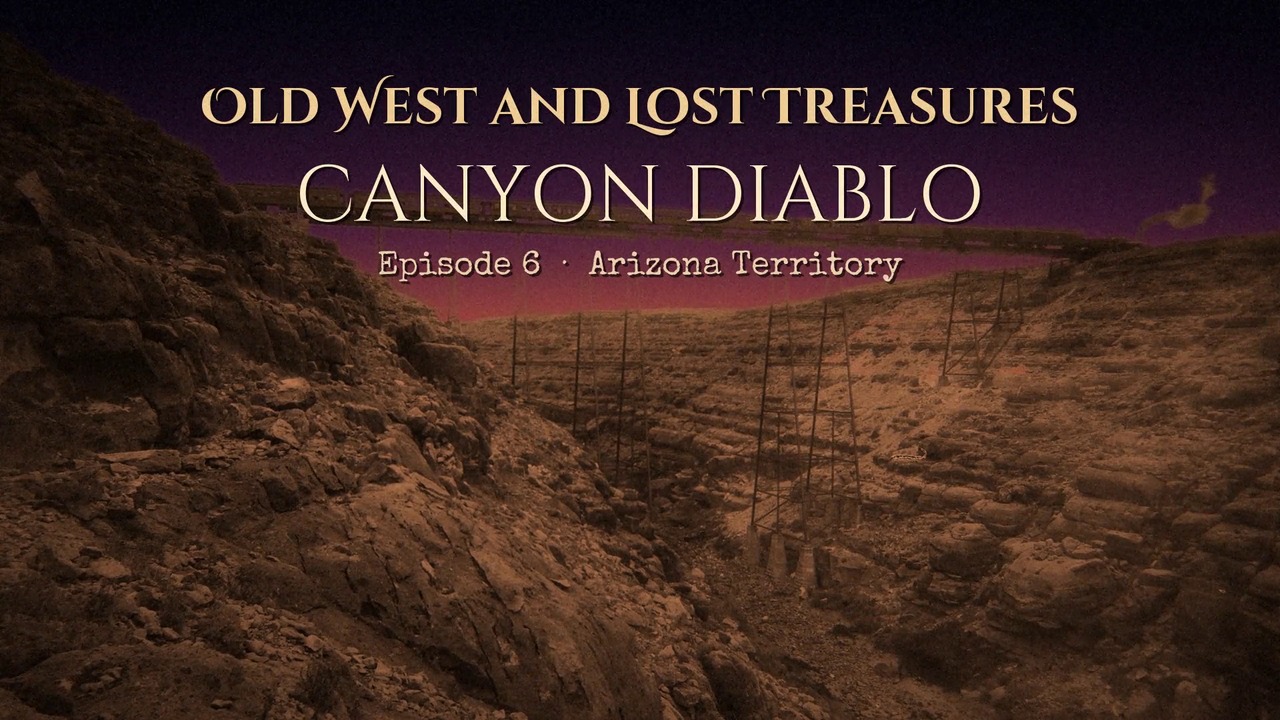
Episode 6 · Arizona Territory
The Canyon Diablo Robbery
On the night of March 20, 1889, four masked men stopped the eastbound Atlantic and Pacific at Canyon Diablo, east of Flagstaff, and made express agent Knickerbocker open the safe. A Prescott paper put the money between six hundred and eight hundred dollars. The Arizona Historical Society puts that night closer to a thousand. Sheriff Buckey O'Neill's posse brought in John Halford, Daniel Harvick, J. J. Smith, and William Stiren. They were not hanged. They went to Yuma Territorial Prison. The buried fortune is a later story.
Watch episode 6
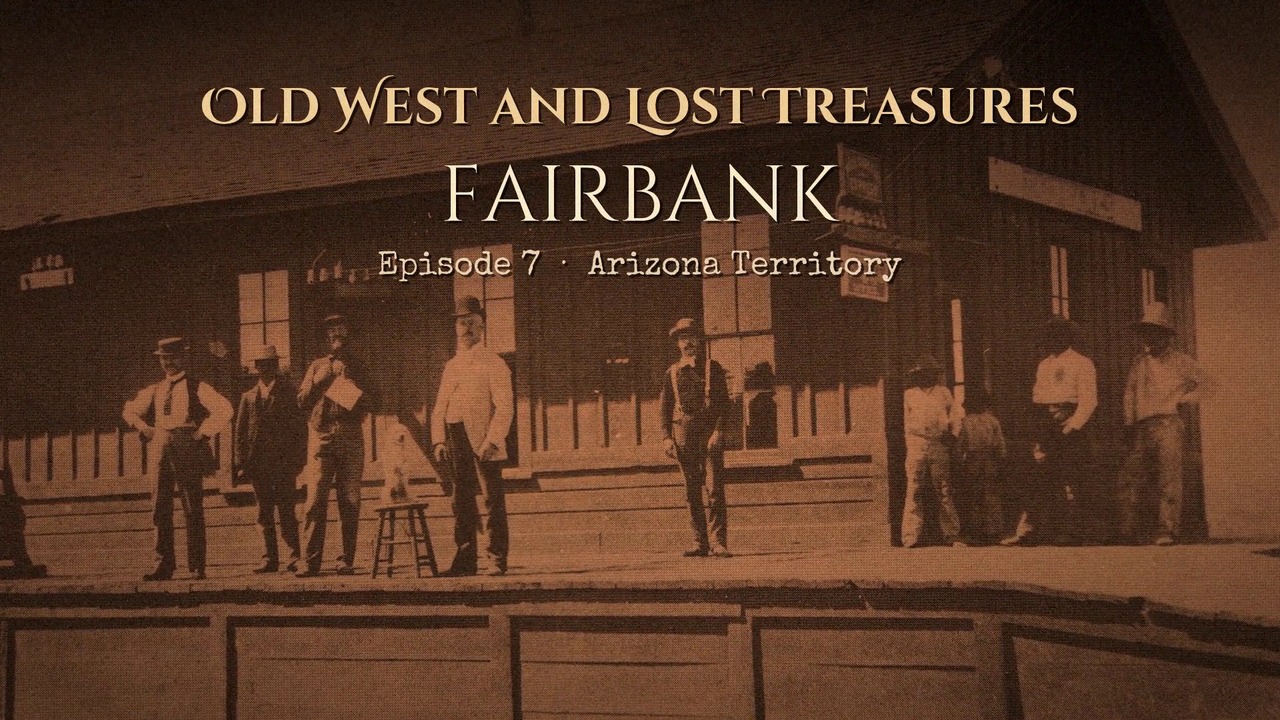
Episode 7 · Arizona Territory
The Fairbank Robbery
On February 15, 1900, five men tried to take the Wells Fargo express safe at Fairbank, the railroad stop Tombstone used on the San Pedro. Jeff Milton had the door open. He was shot, and the accounts disagree on which arm. He still kept the key. Three Finger Jack Dunlap took the worst of the return fire. The safe was not opened. Constable Burt Alvord and deputy Billy Stiles had planned it off the platform. Milton lived. The chase stories came later.
Watch episode 7
Episode 8 · Wyoming Territory
The Diamond Hoax
In 1872, cousins Philip Arnold and John Slack sold San Francisco investors on a field of diamonds and rubies. The stones they showed were real. Tiffany appraised a share at about a hundred and fifty thousand dollars. Henry Janin believed the ground. Clarence King, then leading the Fortieth Parallel survey, found the place that fall, south of Rock Springs on the Wyoming and Colorado line. The field had been salted. What became of the two men is where the accounts split.
Watch episode 8
Episode 9 · California
Black Bart
Charles Boles, also spelled Bowles, robbed Wells Fargo stages in California and signed his verses Black Bart the P.O.8. In San Francisco he used the name Bolton. Both accounts count twenty-eight robberies, and both say he never fired a shot. On the last one, November 3, 1883, in Calaveras County, a driver fired and Bart ran. One account places that stage near Copperopolis. The prison history quotes the Sonora and Milton road. A laundry mark led to Bolton. He pleaded guilty and was sent to San Quentin for six years. He was out at the start of 1888, and he did not serve the six.
Watch episode 9
Episode 10 · Nevada
The Verdi Train Robbery
On the night of November 4, 1870, five men stopped a Central Pacific train at Verdi, Nevada. Rocks were already on the track. They cut the engine and the express car away from the passenger coaches, and engineer Henry Small ran those cars to the barricade. The strongboxes held gold coin. Nevada's marker puts what they divided at $41,600. Another careful account sits a little higher. All five were caught, and all but about $3,000 came back. Talk of a buried leftover is a guess, not a map. Nevada's marker calls this the West's first train robbery. The Sierra County Historical Society calls it the first on the Pacific side.
Watch episode 10